 Order Tracking
 Shop
Shop About Us
 FAQ
FAQ Support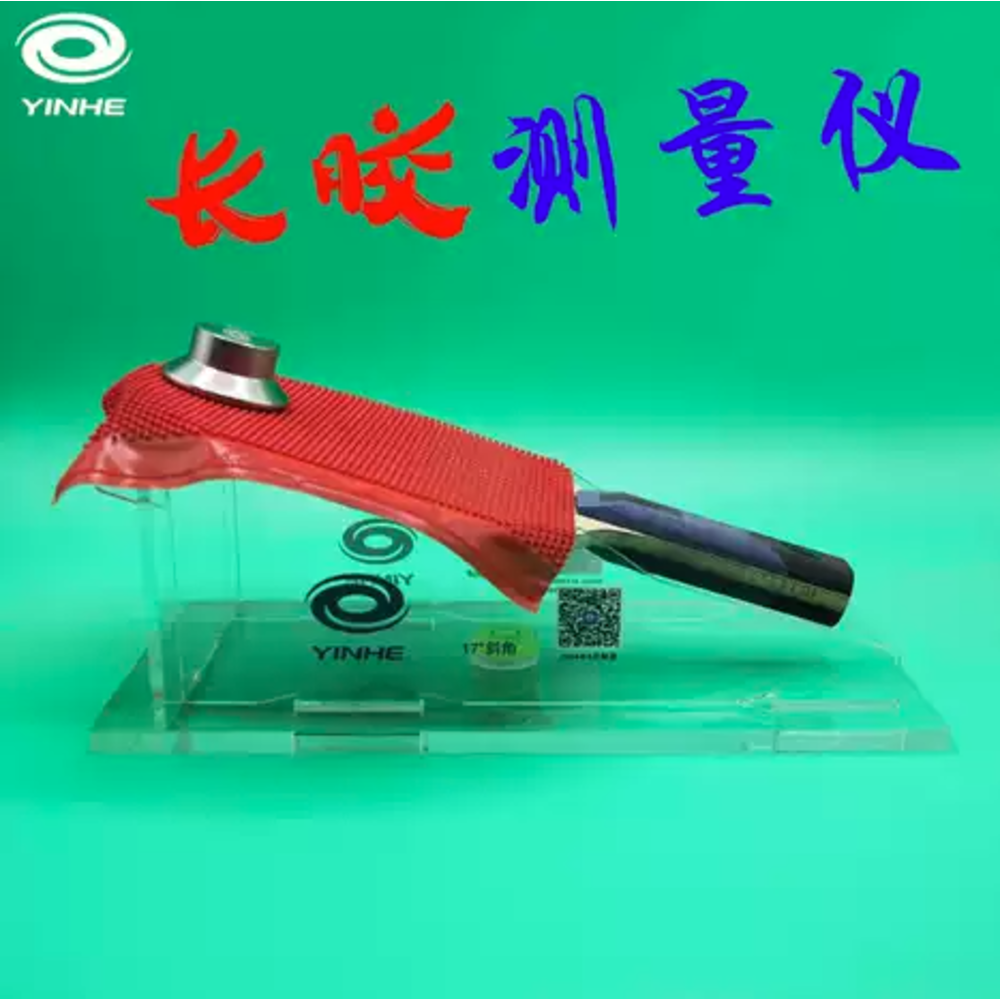
This device is designed to quickly check whether a pimpled (long/short) rubber sheet meets the ITTF minimum surface friction requirement (μ ≥ 0.50 at 50 mN). It’s mainly intended for referees, clubs, and players who want to self-check rubbers before matches. Components Inclined test base (small angled platform) Metal slider/weight (test block) Level bubble How to Use: Place the racket flat on the inclined base, rubber side up. Make sure the blade is steady (no wobbling). If your tester has a bubble level, adjust until centered. Place the metal test block on the rubber surface. You can test in three directions: Horizontal (across the pimples) Vertical (along the pimples) Sweet spot (center area where ball usually strikes) If the slider slips down the surface → rubber friction is too low (likely fails ITTF standard). If the slider stays in place → rubber friction is acceptable (passes). Test at multiple points and orientations to confirm consistency. For old or worn rubbers, friction can differ across zones. The tester is a pre-screening tool, not an official ITTF T4 device. Results are indicative, but usually close to what referees would find in formal checks. Clean rubber before testing; dust/oil can lower friction artificially. For long pips especially, test both horizontal and vertical directions since structure matters. Pass/Fail Principle: Pass: Block does not slide off in any tested direction. Fail: Block slides freely in one or more test orientations.
Be the first to review “Yinhe rubber surface friction tester”
Related products

Accessories
Reviews
There are no reviews yet.